Introduction
Feline Infectious Peritonitis (FIP) has long been one of the most devastating diagnoses in feline medicine, historically considered almost uniformly fatal. In recent years, however, a potent antiviral compound known as GS-441524 has emerged as a true game-changer in the treatment of this devastating disease.
Today, compounded GS-441524 oral suspension brings veterinary professionals and cat owners a convenient, effective mode of therapy — helping cats return to health and reclaim quality of life.
What Is GS-441524?
GS-441524 is a nucleoside analogue antiviral, structurally related to the antiviral remdesivir used in human medicine. In cats, this compound acts by inhibiting the viral RNA polymerase necessary for replication of the feline coronavirus that causes FIP.
Although not FDA-approved as a commercial drug in the U.S., GS-441524 has been widely used under veterinarian prescription through compounding pharmacies, thanks to regulatory guidance that permits clinician-directed use for treating FIP.
Why Oral Suspension Matters
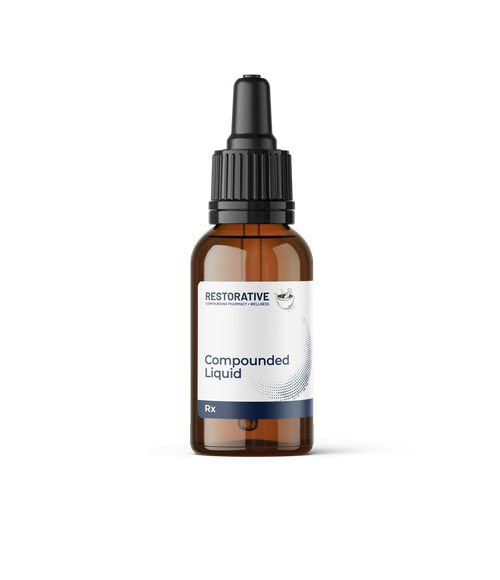
Historically, many GS-441524 treatments were given by injection — a route that can be uncomfortable and stressful for cats and owners alike. The availability of an oral suspension form has dramatically improved the ease of administration. This liquid formulation can be dosed at home, simplifies long treatment courses, and enhances compliance without sacrificing antiviral performance.
How It Works
Once administered, GS-441524 is taken up by cells and converted to its active form. In this active state, it interferes with the virus’s ability to copy its RNA, halting replication and allowing the cat’s immune system to gain the upper hand. This mechanism is supported by multiple clinical observations showing high response rates and remission in cats treated with this antiviral approach.
Treatment Expectations
Typical treatment plans involve daily dosing over several weeks — often up to 12 weeks — depending on the severity and form of FIP. Veterinarians adjust doses based on weight and clinical response, and close monitoring remains important throughout the course.
Safety and Veterinary Guidance
GS-441524 is generally well-tolerated when used under veterinary supervision, but only a licensed clinician should prescribe and direct its use. Regular check-ins ensure the cat responds appropriately and that doses remain tailored to changing weight or illness severity.
Conclusion
GS-441524 oral suspension represents a major leap forward in the management of FIP, offering a compounded, veterinarian-prescribed, practical antiviral therapy that is transforming what was once a near-certain fatal disease into one with real hope and positive outcomes. For cat owners and health professionals alike, understanding this treatment — and making it accessible — can make all the difference in the fight against FIP.
Questions?
Explore more of our veterinary products for expert insights on compounding and personalized care.