

Compounded Eflornithine Cream for Facial Hair: How It Works, Results, and a Vaniqa Alternative
A pharmacist's guide to compounded eflornithine cream for unwanted facial hair — how it slows growth, the results to realistically expect, side effects, cost, and how it compares to Vaniqa.
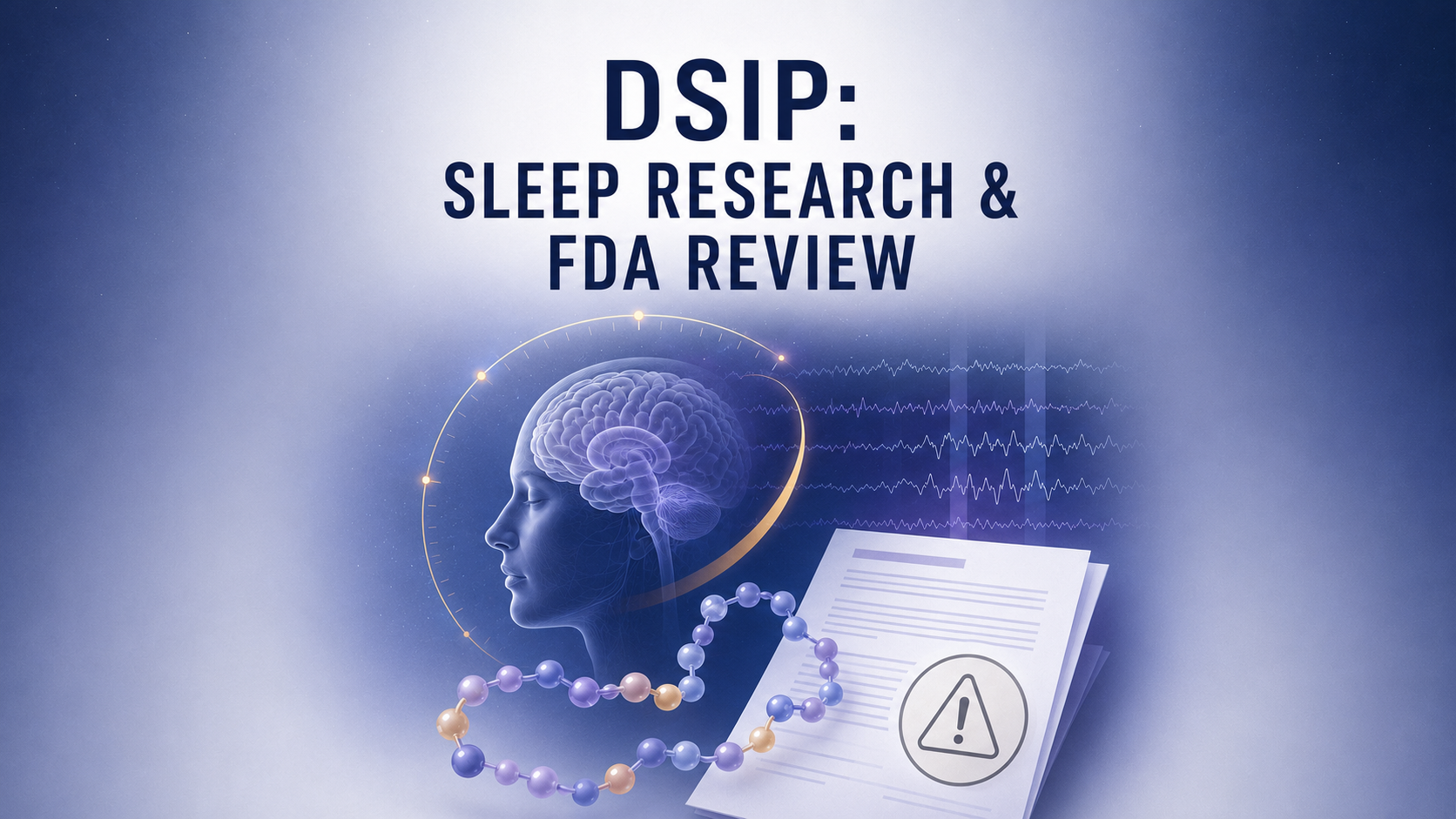
DSIP (Emideltide): Sleep and Withdrawal Research, Safety, and Why PCAC Voted Against It
Emideltide—better known as delta sleep-inducing peptide or DSIP—was the only one of seven peptides not recommended by PCAC in July 2026. Here is what the evidence and vote mean.

Semax Peptide: Neurological, Cognitive, Stroke and Migraine Research and FDA Status
Semax is a synthetic ACTH-derived heptapeptide studied primarily in Russian neurological research. It is not FDA approved. Here is what is known about its proposed uses and PCAC’s 2026 recommendation.

Epitalon Peptide: Sleep, Telomeres, Longevity Research, Safety, and FDA Status
Epitalon—also spelled Epithalon—is promoted as a sleep and longevity peptide. Laboratory and animal findings are intriguing, but claims of proven human anti-aging effects are not supported by robust trials.
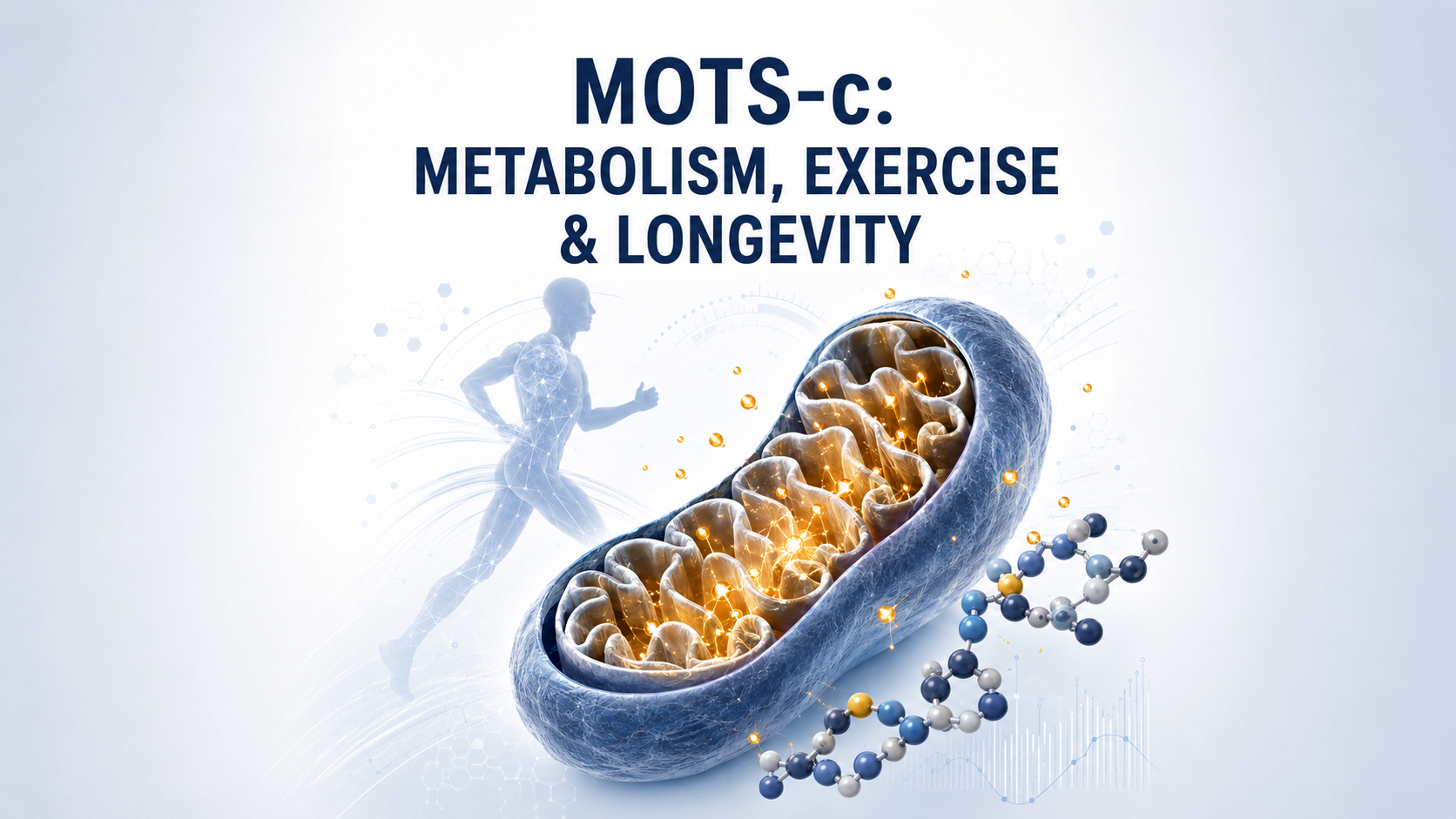
MOTS-c Peptide: Metabolic, Exercise, Weight and Longevity Research and Its FDA Status
MOTS-c is a mitochondrial-derived peptide studied for metabolic signaling, exercise adaptation and aging. Most intervention data remain preclinical. Here is the science and current FDA status.
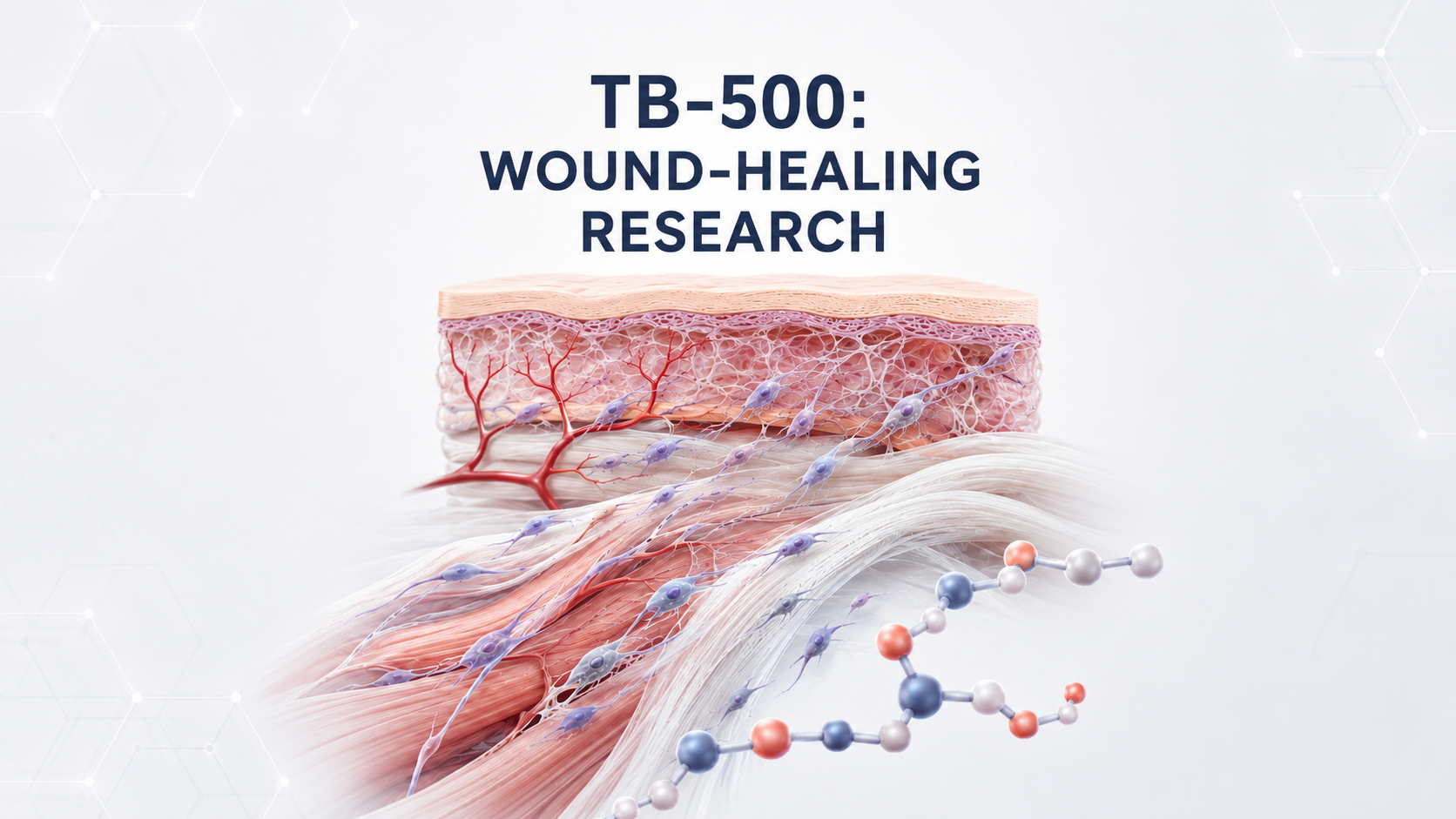
TB-500 Peptide: Wound-Healing Research, Proposed Uses, Safety, and FDA Status
TB-500 is often marketed as thymosin beta-4, but FDA evaluated a specific seven-amino-acid fragment. Learn what research exists, where claims outrun evidence, and what PCAC’s favorable vote means.
KPV Peptide: Inflammation, Gut and Skin Research, Safety, and FDA Compounding Status
KPV is a three-amino-acid melanocortin fragment studied for anti-inflammatory and wound-related effects. Most evidence remains preclinical; here is what PCAC’s 2026 recommendation does and does not mean.
BPC-157 Peptide: Potential Uses, Research, Safety, and the 2026 FDA Compounding Update
BPC-157 is widely promoted for injury recovery and gastrointestinal health, but most published evidence is preclinical. Here is what the research, FDA review and July 2026 PCAC recommendation actually mean.